
Sober living Las Vegas residents often encounter Medication-Assisted Treatment, commonly called MAT, during recovery planning. MAT combines FDA-approved medications with structured therapy and outpatient support to reduce cravings, stabilize physical symptoms, and support consistent engagement in recovery. Understanding how MAT works helps patients, families, and sober living operators make informed decisions about care.
Medication-Assisted Treatment is often misunderstood because conversations focus on medication alone. Recovery outcomes depend on how medication, therapy, and daily structure work together. WC Health approaches MAT as part of a coordinated outpatient system that supports recovery without forcing patients to manage disconnected services.
Medication-Assisted Treatment Defined in Practical Terms
Medication-Assisted Treatment uses specific medications to support recovery from opioid use disorder or alcohol use disorder. Medication reduces withdrawal symptoms, lowers cravings, and stabilizes brain chemistry affected by prolonged substance use. Therapy and outpatient services address behavior patterns, stress responses, and relapse risk.
MAT is not a replacement for recovery work. MAT functions as a stabilizing foundation that allows patients to participate more consistently in therapy, sober living expectations, and daily responsibilities. Recovery becomes more manageable when physical symptoms do not dominate attention.
Drug programs vary widely in how MAT is delivered. Some programs provide medication without adequate therapy support. Others restrict access due to staffing or policy limitations. Outcomes improve when MAT operates inside a coordinated care system rather than as an isolated prescription.
Why MAT Matters During Early Recovery
Early recovery places heavy strain on the body and nervous system. Cravings, sleep disruption, anxiety, and physical discomfort can persist even after detoxification. MAT helps reduce those symptoms so patients can focus on therapy, employment, and sober living structure.
Relapse risk increases when withdrawal symptoms or cravings overwhelm coping skills. MAT reduces that pressure and supports steadier decision-making. Therapy then reinforces coping strategies, emotional regulation, and relapse prevention planning.
Sober living environments depend on participation and accountability. MAT can support residents by reducing destabilizing symptoms that interfere with routines, attendance, and rule compliance.
Medications Commonly Used in MAT
Clinicians select medications based on diagnosis, medical history, and safety considerations. MAT options differ for opioid use disorder and alcohol use disorder. Individual treatment plans also account for co-occurring mental health conditions, prior treatment response, and risk of relapse. Ongoing medical monitoring ensures that dosing remains appropriate and that side effects are addressed promptly to support safe, sustained recovery.
Opioid Use Disorder Medications
Buprenorphine reduces cravings and withdrawal symptoms while allowing normal daily functioning. Buprenorphine carries a lower overdose risk than full opioid agonists when used as prescribed.
Methadone provides structured opioid replacement through regulated treatment programs. Methadone may benefit patients who need close monitoring and consistent dosing.
Naltrexone blocks opioid receptors and prevents euphoric effects. Injectable and oral forms exist. Naltrexone requires full opioid detoxification before initiation.
Alcohol Use Disorder Medications
Naltrexone can reduce heavy drinking days and cravings for alcohol.
Acamprosate supports abstinence by easing post-acute withdrawal symptoms such as anxiety and sleep disruption.
Disulfiram creates adverse reactions when alcohol is consumed and may be appropriate with strong adherence support.
Medication selection requires medical assessment. Liver function, pregnancy status, mental health conditions, and other medications influence safety and appropriateness.
MAT Myths That Interfere With Recovery
Misinformation prevents many people from accessing MAT. Clear explanations reduce unnecessary barriers. Public misunderstanding often increases stigma, which can discourage individuals and families from considering evidence-based treatment. Accurate information helps patients make informed decisions in partnership with qualified providers.
MAT does not replace one addiction with another
Addiction involves compulsive use despite harm. Physical dependence can occur with many medications without addiction behaviors. MAT medications are prescribed at therapeutic doses to reduce harm and support stability, not intoxication. Clinical monitoring and structured dosing further reduce the risk of misuse. Research consistently shows that properly administered MAT lowers overdose risk and improves long-term treatment retention.
MAT does not eliminate the need for therapy
Therapy remains essential. Medication stabilizes physiology, while therapy addresses triggers, coping skills, trauma, and behavior change. Strong drug programs integrate both components rather than offering medication alone. Behavioral therapies such as cognitive behavioral therapy and motivational interviewing strengthen relapse prevention skills. Comprehensive treatment plans also address co-occurring mental health conditions that may contribute to substance use.
MAT is not a shortcut
Recovery still requires effort, accountability, and time. MAT supports engagement but does not remove responsibility or structure. Consistent attendance, participation in counseling, and adherence to medical guidance remain critical components of progress. Long-term recovery outcomes improve when patients actively engage in all aspects of their care plan.
MAT and Sober Living in Las Vegas
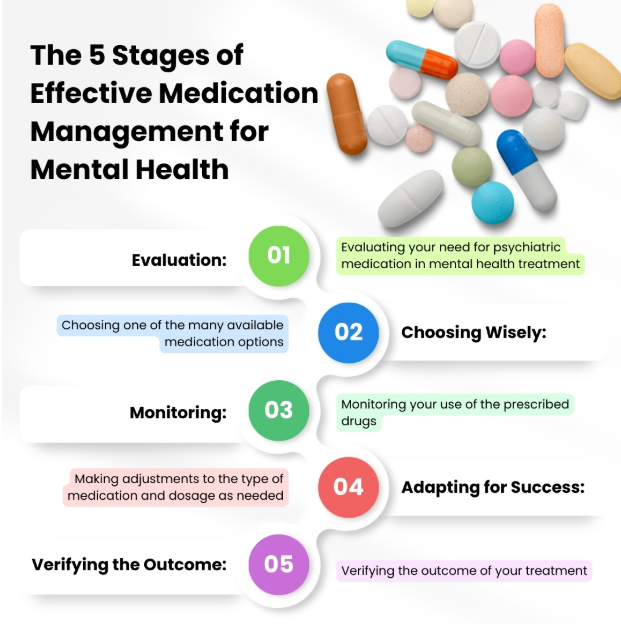
Sober living Las Vegas programs provide structure, peer accountability, and routine. MAT can support residents when programs align medication policies with clinical needs. Some sober living homes allow MAT with clear monitoring guidelines. Others restrict certain medications due to diversion concerns.
Residents benefit from confirming sober living policies before placement. Coordination between outpatient providers and housing staff supports clearer expectations and fewer conflicts. WC Health emphasizes communication and planning so medication support aligns with sober living requirements.
MAT can reduce relapse risk during early sobriety, which supports better participation in house meetings, employment, and therapy appointments.
MAT Within Outpatient Drug Programs
Many patients receive MAT through outpatient drug programs rather than inpatient care. Outpatient treatment allows patients to live in the community while attending scheduled medical visits and therapy sessions.
Effective outpatient MAT includes:
- Regular medical follow-up
- Therapy participation
- Monitoring for side effects and adherence
- Adjustment of care plans as stability improves
Drug treatment centers in Las Vegas differ in staffing and coordination. Programs that integrate medical care, therapy, and care coordination support better continuity.
Coordinating MAT, Therapy, and Medical Care
Recovery often involves co-occurring mental health or medical conditions. Anxiety, depression, sleep disorders, and chronic pain frequently accompany substance use disorders. Integrated care supports better outcomes by addressing these needs together.
WC Health coordinates MAT with therapy and primary care services. Providers share information and align treatment goals. Patients avoid managing updates between offices or repeating histories across appointments.
Care coordination also supports logistics such as pharmacy access, appointment scheduling, and follow-up planning. These details matter because logistical barriers can disrupt adherence.
MAT and Alcohol Recovery Support
People searching for alcoholic treatment near me often require medical oversight during early sobriety. Alcohol withdrawal carries medical risks that require assessment and monitoring. MAT can support stabilization and reduce relapse risk when combined with therapy.
Alcohol recovery often includes addressing sleep disruption, anxiety, and mood changes. Medication can support these symptoms while therapy builds coping strategies and relapse prevention skills.
Outpatient support allows patients to maintain work and family responsibilities while receiving structured care.
Determining Whether MAT Is Appropriate
MAT may be appropriate when cravings, withdrawal symptoms, or repeated relapse interfere with recovery efforts. History of overdose, severe withdrawal, or unsuccessful abstinence attempts increase the importance of medical support.
A clinical evaluation typically includes:
- Substance use history
- Mental health screening
- Medical history review
- Medication assessment
Treatment plans should reflect patient goals and safety needs. MAT decisions should involve informed consent and ongoing reassessment.
Long-Term Recovery and MAT Duration
MAT duration varies. Some patients benefit from long-term medication support. Others taper under medical supervision after stability improves. No universal timeline applies.
Recovery progress includes improved daily functioning, stable housing, consistent therapy engagement, and reduced emergency care use. Setbacks may occur, and care plans should adjust without punishment or abrupt discontinuation.
Drug programs that support flexibility and follow-up help patients maintain progress.
MAT as Part of a Recovery System
Recovery succeeds through systems rather than isolated services. MAT supports physical stabilization. Therapy supports behavior change. Sober living supports structure and accountability. Medical care supports overall health.
WC Health focuses on coordinating these components so patients do not manage recovery alone. Integrated outpatient care supports steadier engagement and fewer disruptions.
Patients who want primary care and therapy coordinated in one place can reach WC Health to speak with a care coordinator about next steps, scheduling, and available support services.
