
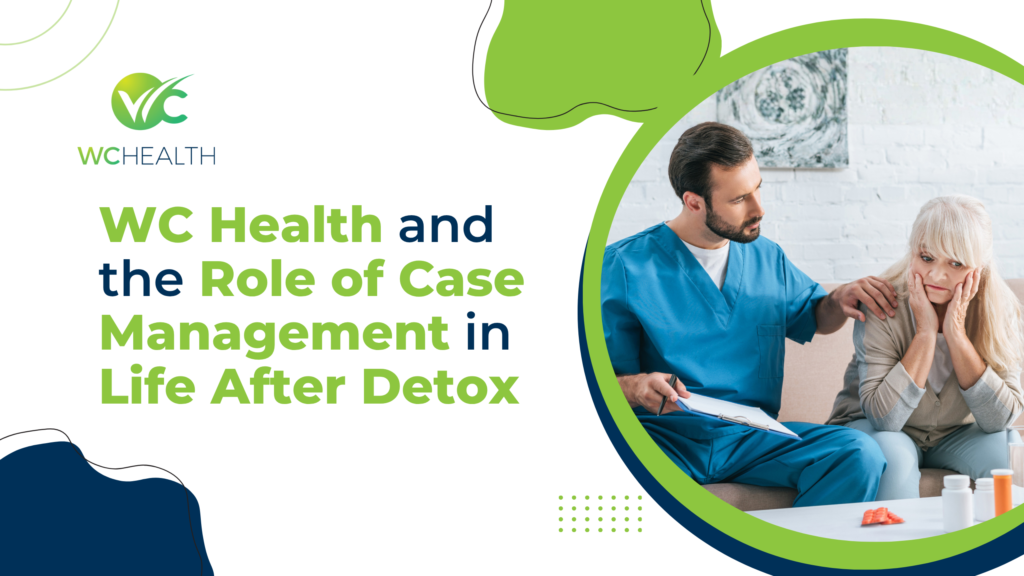
WC Health provides integrated support for individuals who have completed detox and are working to maintain long-term sobriety. Detoxification addresses the physical withdrawal process, yet recovery does not end once substances leave the body. Life after detox requires structure, medical oversight, social stability, and coordinated services. Case management plays a central role in sustaining progress and reducing the risk of relapse.
Recovery is rarely linear. Cravings, mental health symptoms, unstable housing, unemployment, and lack of transportation can quickly undermine progress. Ongoing clinical coordination and access to community resources help individuals transition from detox into stable recovery. Case management ensures that each element of care aligns with the individual’s medical, psychological, and social needs.
Why Detox Alone Is Not Enough
Detox focuses on safely managing withdrawal symptoms. Medical supervision during this phase reduces complications and supports physical stabilization. Physical stabilization, however, does not resolve the behavioral, psychological, and environmental factors that contributed to substance use.
Substance use disorders affect brain chemistry, stress response systems, and decision-making patterns. Many individuals also experience co-occurring mental health conditions such as depression, anxiety, or trauma-related disorders. Without continued support through a mental health facility or outpatient services, individuals face elevated relapse risk during the weeks immediately following detox.
Several challenges commonly emerge after detox:
- Persistent cravings
- Sleep disturbances
- Mood instability
- Social triggers
- Limited housing options
- Employment barriers
- Transportation difficulties
Case management addresses these challenges through coordinated planning and consistent follow-up.
Understanding Case Management in Addiction Recovery
Case management is a structured, person-centered approach that connects individuals with the services they need to remain stable in recovery through case management services at WC Health. A case manager functions as a central point of coordination between medical providers, behavioral health professionals, housing programs, pharmacies, and community resources.
At WC Health, case management may include:
- Coordination with outpatient therapy or behavioral health hospitals near me
- Referrals to sober living Las Vegas programs
- Medication management follow-up
- Assistance with insurance and benefits
- Scheduling medical and psychiatric appointments
- Support for employment or vocational services
- Transportation coordination
- Connection to community recovery meetings
Consistency and accountability are critical during early sobriety. Regular check-ins and structured planning reduce gaps in care.
Transitioning From Detox to Ongoing Treatment
A smooth transition from detox to structured treatment significantly improves outcomes. Many individuals search for alcoholic treatment near me immediately after detox. Case managers guide patients toward appropriate next steps based on clinical need.
Levels of Care After Detox
Several options may be recommended depending on severity and stability:
- Residential Rehabilitation Programs
Residential programs provide 24-hour support in a structured setting. Individuals who require close monitoring or who lack stable housing may benefit from this level of care. - Partial Hospitalization Programs (PHP)
PHP programs provide intensive daytime treatment while allowing patients to return home or to sober living at night. - Intensive Outpatient Programs (IOP)
IOP programs offer therapy multiple times per week while allowing individuals to maintain work or family responsibilities. - Standard Outpatient Services
Outpatient therapy and medication management offer continued support once stabilization improves.
Case managers help determine whether rehab Las Vegas facilities, sober living Las Vegas housing, or outpatient care best aligns with the individual’s needs.
The Role of Stable Housing in Recovery
Housing instability remains one of the most significant predictors of relapse. Individuals leaving detox without secure housing face exposure to high-risk environments. Case management often prioritizes placement in sober living Las Vegas communities and supportive housing at WC Health when appropriate.
Sober living environments provide:
- Substance-free housing
- Peer accountability
- Structured house rules
- Recovery-focused community
- Curfews and expectations
Housing coordination through case management reduces exposure to previous triggers and creates a safe space for rebuilding daily routines.
Mental Health Support After Detox
Substance use disorders frequently occur alongside mental health conditions. Anxiety, depression, bipolar disorder, and post-traumatic stress disorder are common among individuals seeking treatment.
Integrated behavioral healthcare ensures that both conditions are treated simultaneously. Case managers coordinate referrals to:
- A licensed mental health facility
- Psychiatric providers for medication evaluation
- Trauma-informed therapy services
- Group therapy programs
- Behavioral health hospitals near me for acute stabilization if needed
Addressing mental health symptoms reduces relapse risk. Untreated depression or anxiety often contributes to renewed substance use.
Medication Management and Follow-Up
Medication-assisted treatment (MAT) may be appropriate for individuals recovering from alcohol or opioid use disorders. Medications such as naltrexone, buprenorphine, or acamprosate can reduce cravings and support stability. According to the National Institute on Drug Abuse, medication-assisted treatment improves retention in recovery programs and reduces relapse risk.
Case management ensures:
- Prescriptions are filled on time
- Follow-up appointments are scheduled
- Side effects are monitored
- Communication occurs between providers
Pharmacy access can be a barrier for some individuals. Transportation coordination and insurance assistance help prevent lapses in medication adherence.
Addressing Social Determinants of Health
Sobriety depends on more than abstinence. Employment, education, family relationships, and community support significantly influence recovery outcomes.
Case managers assist with:
- Job training referrals
- Resume-building resources
- Enrollment in educational programs
- Family counseling coordination
- Legal or court documentation support
Community-based recovery improves when individuals regain independence and purpose.
Relapse Prevention Planning
Relapse prevention planning is a structured process that identifies triggers, coping strategies, and emergency supports. Case managers collaborate with therapists and medical providers to develop individualized plans.
A comprehensive relapse prevention plan includes:
- Identification of high-risk situations
- Coping strategies for cravings
- Emergency contact numbers
- Support meeting schedules
- Mental health symptom monitoring
- Clear steps for seeking help if relapse occurs
Early intervention significantly reduces the severity and duration of relapse episodes.The National Institute on Drug Abuse reports that relapse rates for substance use disorders are comparable to other chronic medical conditions, reinforcing the importance of structured follow-up care.
Family and Community Integration
Recovery affects families as well as individuals. Education and involvement of family members can strengthen outcomes. Case management may include family meetings, referral to support groups, and coordination of therapy sessions.
Community integration also reduces isolation. Peer recovery groups, volunteer work, and structured activities provide positive reinforcement and accountability.
Isolation increases relapse risk. Structured engagement promotes stability.
Why Local Coordination Matters in Las Vegas
Access to local resources improves follow-through. Individuals searching for rehab Las Vegas or behavioral health hospitals near me often benefit from providers familiar with regional services.
WC Health connects patients with:
- Local sober living Las Vegas housing
- Outpatient behavioral health services
- Community recovery groups
- Transportation assistance programs
- Pharmacy networks
- Social service agencies
Proximity improves continuity of care and reduces logistical barriers.
The Long-Term Value of Case Management
Research consistently shows that coordinated care improves outcomes for individuals with substance use disorders. The Substance Abuse and Mental Health Services Administration (SAMHSA) emphasizes continuity of care and community-based support as critical components of long-term recovery. Ongoing monitoring and structured support increase treatment retention and reduce hospitalizations.
Case management provides:
- Continuity between providers
- Early identification of relapse warning signs
- Faster response to emerging mental health symptoms
- Reduced fragmentation of care
- Increased accountability
Recovery extends beyond the first weeks after detox. Sustained sobriety requires ongoing structure.
Frequently Asked Questions
How long should case management continue after detox?
Does case management replace therapy?
Can case management help me find alcoholic treatment near me?
Is sober living required after detox?
What if I need a higher level of care after detox?
Building a Sustainable Recovery Plan With WC Health
Sustained sobriety requires coordinated medical care, mental health support, housing stability, and community engagement. Detox represents an important first step, yet recovery strengthens when comprehensive case management remains in place.
WC Health works closely with patients transitioning from detox to outpatient care, sober living Las Vegas housing, and community-based behavioral services. Structured follow-up, medication oversight, and logistical support improve stability during early recovery.
If you or a loved one has completed detox and needs structured support to maintain sobriety, schedule an appointment with WC Health to discuss case management services and coordinated recovery planning in Las Vegas. Professional guidance and community-based resources can help transform early recovery into long-term stability.
